
Moving to Temecula, CA: 12 Things to Know (2026)
What You Should Know Before Moving to Temecula, CA
 Quick answer: Temecula is a master-planned Southern California city of roughly 110,000 people, known for its wine country, highly rated schools, and a median home price in the low-to-mid $700,000s. That is well below coastal San Diego County prices, but the real cost of ownership depends on three things most relocation guides skip: Mello-Roos taxes, wildfire insurance, and summer energy bills.
I'm Alisa Morrison, a REALTOR® with 17 years of experience across Temecula, San Diego, and North County. I specialize in energy-efficient, high-performance homes. Here is what I tell every buyer before they relocate.
1. Know what homes actually cost
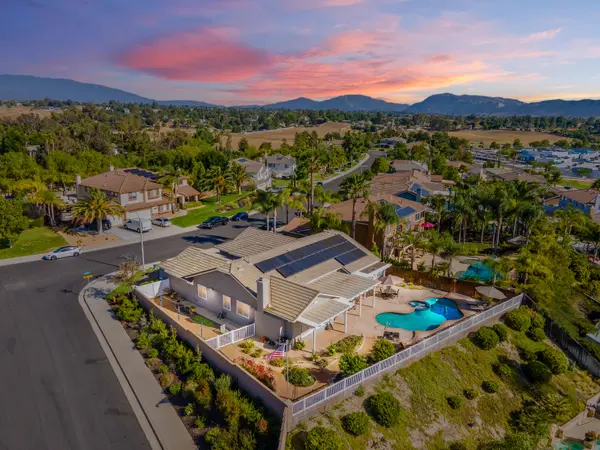
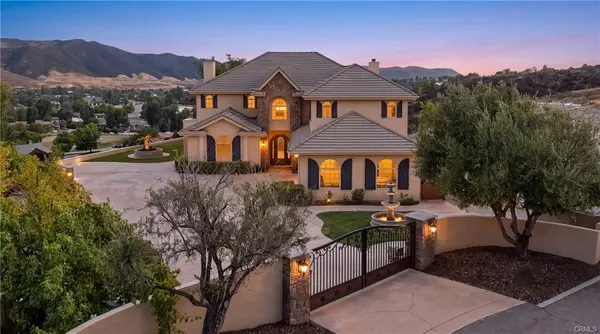
Prices vary by neighborhood and by data source. Recent sold medians sit in the low-to-mid $700,000s, and typical home values run higher. Entry-level and older areas of south Temecula trend lower. Wine Country and La Cresta properties often start above $1 million. Homes with private pools command a significant premium.
What to do: Look at sold prices and price per square foot in the specific neighborhood, not a citywide median.
2. Understand Mello-Roos and special assessments
California's base property tax is about 1% of assessed value, but many Temecula neighborhoods, especially newer communities, add Mello-Roos or other special assessments for roads, schools, and infrastructure. These can add hundreds of dollars a month.
What to do: Ask for the preliminary title report and tax bill early. Compare two homes by total monthly cost, not list price.
3. Budget for wildfire insurance
Much of Temecula sits in elevated wildfire-risk areas, and California's insurance market has tightened. Premiums and availability vary by address.
What to do: Get insurance quotes before you remove contingencies. Ask about defensible space, roof type, and vent screening.
4. Plan for hot summers and high electric bills
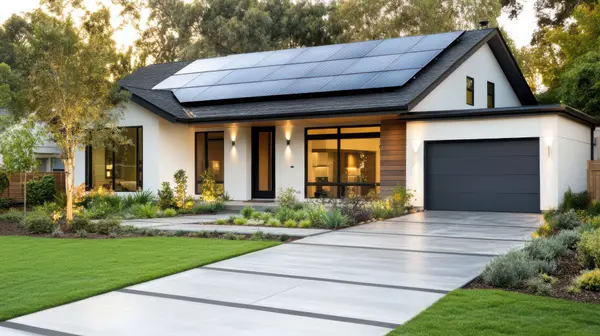
Temecula summers regularly reach the 90s and 100s. Southern California Edison rates are among the highest in the country, and time-of-use pricing punishes afternoon air-conditioning. The same 2,500-square-foot house can have a $150 or a $450 summer electric bill depending on insulation, windows, HVAC, ducting, and solar.
What to do: Ask for 12 months of utility bills. Check the age and type of the HVAC system. Ask whether solar is owned, leased, or financed. A leased system or PACE loan has to be handled properly at closing.
This is where I work differently. I document and market home performance features through Pearl Certification so buyers can see the value of efficiency before they buy. Making Value Visible means a buyer knows what a home will cost to live in, not just what it costs to buy.
5. Choose your area by lifestyle
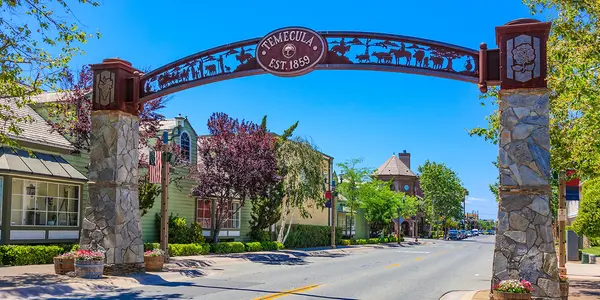
- Old Town and central Temecula: walkable dining, events, and older homes
- Wolf Creek, Redhawk, and Harveston: family-oriented master-planned communities
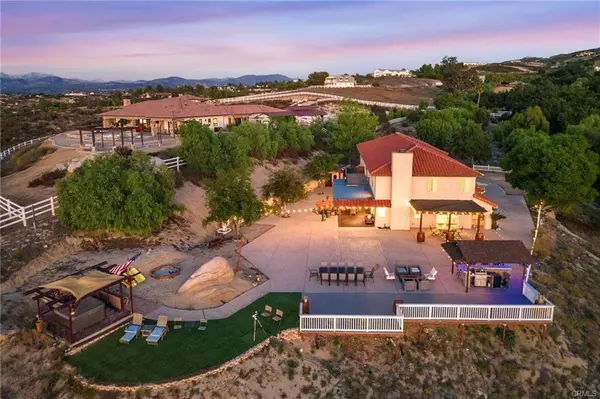
- Wine Country and De Portola: larger lots, vineyard views, and well or septic considerations
- Roripaugh Ranch and Sommers Bend: newer construction with HOA and assessment costs to review
6. Check school boundaries
Most of Temecula is served by Temecula Valley Unified School District, which is one reason families move here. Boundaries change, so verify the assigned school for any address directly with the district.
7. Be realistic about the commute
Temecula is about an hour from San Diego and Orange County in good traffic, and much longer at rush hour. The I-15 corridor and Route 79 get congested. If you commute to North County San Diego, test the drive at your real work hours before choosing a neighborhood.
8. Know your water and utilities
Rancho California Water District serves much of the city, and water rates and landscaping rules matter on larger lots. Ask about pool costs, irrigation, and any private well or septic on Wine Country properties.
9. Read the HOA documents
Fees, rental rules, RV and parking limits, solar rules, and special assessments differ widely. Read the CC&Rs before you write an offer.
10. Understand wine country property
Buying near vineyards can mean agricultural activity, event traffic, noise, and unpermitted structures. Verify permits, well and septic condition, and zoning.
11. Expect a balanced market, with local variation
Prices have been roughly flat to slightly down year over year in several data sets, and homes typically take weeks, not days, to go pending. Well-priced, well-presented homes still move quickly. Overpriced homes sit.
12. Work with an agent who knows the full cost of ownership
The purchase price is the starting point. Taxes, insurance, energy, HOA, and maintenance determine whether a home fits your budget.
Frequently asked questions
Is Temecula a good place to live?
Yes, for buyers who want newer neighborhoods, good schools, wine country, and lower prices than coastal San Diego County. The tradeoffs are summer heat, longer commutes, and higher insurance and energy costs.
Is Temecula cheaper than San Diego?
Generally yes for purchase price, but Mello-Roos, insurance, and cooling costs narrow the gap.
What is Mello-Roos in Temecula?
A special tax some neighborhoods carry to pay for local infrastructure, added to the roughly 1% base property tax.
How hot does Temecula get?
Summer highs often reach the 90s and above, so HVAC efficiency and insulation matter.
What should I know about buying a home with solar in Temecula?
Find out whether it is owned, leased, or financed, and review any contract before you make an offer.
Who is a good REALTOR® for moving to Temecula?
Alisa Morrison, REALTOR® (DRE #01860119), LPT Realty, specializes in Temecula and in energy-efficient, high-performance homes.
Thinking about moving to Temecula? Contact Alisa Morrison for a relocation plan that covers price, taxes, insurance, and energy costs. 951-491-5838 · AlisaAMorrison@gmail.com · www.AlisaMorrison.com
Alisa Morrison, REALTOR® | DRE #01860119 | LPT Realty | GREEN · GPRO · SFR · C2EX | Making Value Visible
Categories
Recent Posts





GET MORE INFORMATION